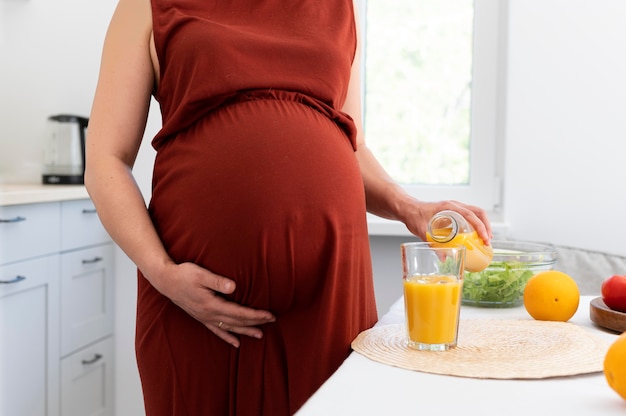
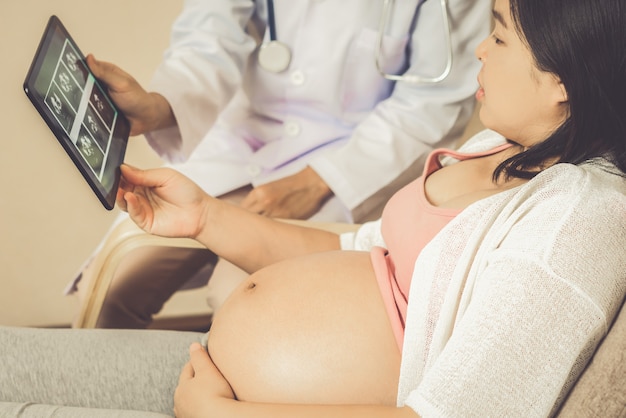
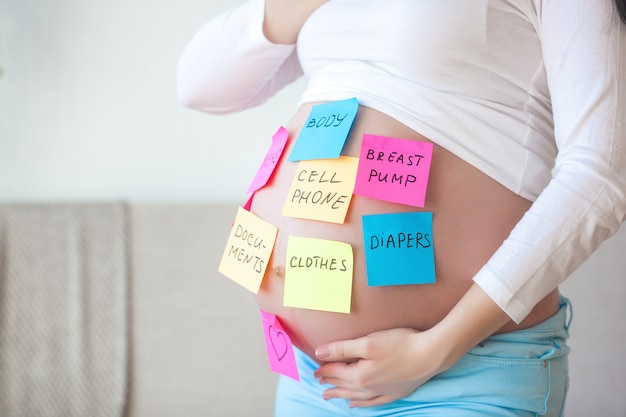
Pregnancy is a beautiful phase filled with excitement, curiosity, and many questions—especially about food. One of the most common concerns expectant mothers have is knowing which foods are safe and which ones should be avoided. From coffee habits to sudden cravings, making the right dietary choices plays a crucial role in ensuring a healthy pregnancy.
Understanding foods to avoid during pregnancy helps protect both the mother and the growing baby. Let’s explore why pregnancy nutrition matters, which foods need caution, and how to build a balanced pregnancy diet.
Why Nutrition During Pregnancy Is Important
Pregnancy nutrition is not just about eating more—it’s about eating wisely. The food you consume supports your baby’s growth, brain development, and overall health. A well-balanced maternal diet influences birth weight, organ development, and long-term health outcomes. Proper nutrition also helps reduce the risk of complications such as gestational diabetes, anaemia, and high blood pressure during pregnancy.
Foods to Avoid During Pregnancy
Certain foods can pose risks due to bacteria, parasites, toxins, or high levels of harmful substances. Avoiding these helps ensure a safer pregnancy.
Raw or Undercooked Meat and Seafood
Raw fish, sushi, and undercooked meats can contain harmful bacteria and parasites such as Listeria, Salmonella, or Toxoplasma. These infections may increase the risk of miscarriage or serious illness.
Safer option: Fully cooked fish and meats such as salmon, prawns, or chicken.
Unpasteurised Milk and Soft Cheeses
Soft cheeses made from unpasteurised milk may carry Listeria, which can be dangerous during pregnancy.
Choose instead: Pasteurised dairy products and hard cheeses like cheddar or parmesan.
Processed Meats and Cold Cuts
Deli meats, sausages, salami, and hot dogs may contain bacteria if eaten cold or undercooked.
Tip: If consumed, heat them thoroughly until steaming hot.
Raw or Partially Cooked Eggs
- Eggs are nutritious but can carry Salmonella if not fully cooked.
- Best choice: Well-cooked eggs where both the white and yolk are firm.
Fish High in Mercury
- Some fish contain high mercury levels that may affect fetal brain and nervous system development.
- Avoid: Shark, swordfish, king mackerel, and tilefish.
Safer options: Salmon, sardines, trout, and anchovies.
Excessive Caffeine
- Small amounts of caffeine are generally safe, but high intake has been linked to miscarriage and low birth weight.
- Limit intake: No more than 200 mg per day (about one cup of coffee).
Alcohol
- There is no safe amount of alcohol during pregnancy. Alcohol consumption can lead to fetal alcohol spectrum disorders and developmental issues.
- Best practice: Avoid alcohol completely.
Unwashed Fruits and Vegetables
- Unwashed produce may carry harmful bacteria or parasites from soil or handling.
- Always: Wash fruits and vegetables thoroughly before eating.
Excess Sugar and Highly Processed Foods
- Too much sugar and junk food can increase weight gain and the risk of gestational diabetes.
- Choose wisely: Focus on whole foods and limit sugary snacks.
Herbal Teas and Supplements
- Some herbal products can affect hormones or trigger uterine contractions.
- Important: Consult your doctor before consuming herbal teas or supplements.
Foods to Avoid in the First Month of Pregnancy
The first month is especially important for early development. Extra caution is advised during this stage.
- Avoid raw or unripe papaya, which may stimulate uterine contractions
- Limit pineapple intake due to bromelain content
- Avoid excess vitamin A supplements
- Completely avoid alcohol
Building a Healthy Pregnancy Diet
A balanced pregnancy diet should focus on nutrient-rich foods that support both mother and baby.
Include:
- Whole grains for fibre and energy
- Lean proteins such as eggs, lentils, chicken, and paneer
- Calcium-rich foods like milk, curd, and yoghurt
- Fresh vegetables for vitamins and antioxidants
- Fruits for natural sugars and fibre
- Healthy fats from nuts, seeds, olive oil, and avocados
A varied diet ensures adequate intake of iron, calcium, folate, protein, and omega-3 fatty acids.
Managing Pregnancy Cravings
Cravings are common and usually harmless. However, moderation is key.
Craving salty foods? Keep portions small
Want something sweet? Choose fruits, dates, or jaggery
Avoid non-food cravings, which may indicate nutritional deficiencies
Listen to your body while making mindful choices.
Honest Pregnancy Nutrition Advice
You don’t need a perfect diet—just a thoughtful one. Focus on hydration, balanced meals, and consistency. Occasional indulgences are okay; what matters most is returning to healthy habits. If you’re unsure about dietary choices, speak to your gynaecologist or a registered dietitian.
Pregnancy Planning and Diet
Nutrition matters even before conception. Good pre-pregnancy nutrition supports fertility and healthy implantation.
If you’re planning a pregnancy:
- Start folic acid supplementation
- Maintain a healthy body weight
- Focus on iron, vitamin D, and vitamin B12
- Reduce processed foods and excess sugar
Final Thoughts
Pregnancy is not just about avoiding certain foods—it’s about embracing nourishment that supports new life. With informed choices, balanced meals, and medical guidance, you can enjoy a healthier and more confident pregnancy journey. When in doubt, always consult your doctor.
Frequently Asked Questions
Can I drink coffee during pregnancy?
Yes, but limit caffeine intake to 200 mg per day.
Are herbal teas safe during pregnancy?
Not all herbal teas are safe. Always consult your doctor before consuming them.
Is it safe to eat eggs during pregnancy?
Yes, as long as they are fully cooked.
Why should papaya be avoided in early pregnancy?
Unripe or semi-ripe papaya may trigger uterine contractions and is best avoided during the first trimester.





 Views This Year : 743