






Before starting ovulation induction, your doctor will perform baseline tests to assess hormone levels and determine the timing of your menstrual cycle.

Once your cycle begins, medication is prescribed to stimulate egg production in the ovaries. This is usually administered as a daily injection and is closely monitored to ensure a proper response.

Regular appointments are scheduled for blood tests, ultrasounds, or both to track follicle development in the ovaries and adjust the treatment if necessary.

When the follicles reach the optimal size, a trigger injection is given to prompt egg release.

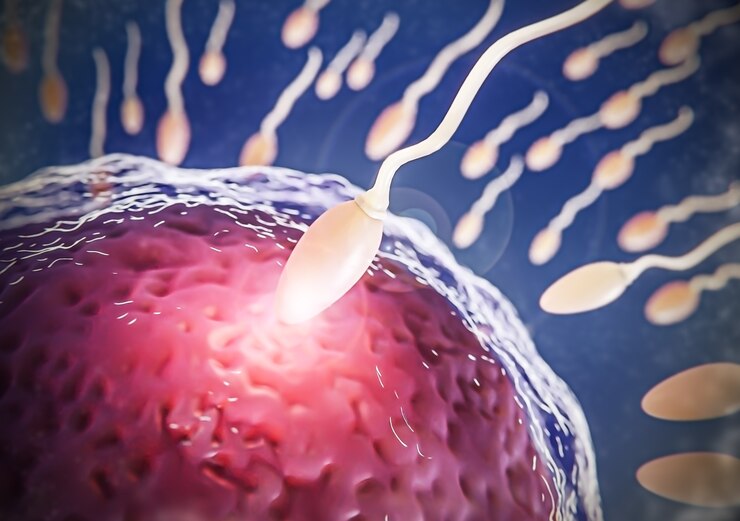
Following the trigger, either timed intercourse or an intrauterine insemination (IUI) procedure is performed to maximize the chances of fertilization.

Post-procedure, follow-up visits are essential to track outcomes, review hormone levels, and determine if any additional treatment steps are required.




 Views This Year : 743