Menopause Treatment in Chennai
Menopause is a natural phase in a woman’s life, marking the end of her reproductive years. Typically occurring between the ages of 45 and 55, this stage involves a decline in the ovaries’ production of eggs and a decrease in key hormones such as estrogen and progesterone. These hormonal changes can lead to a variety of physical and emotional symptoms, including hot flashes, mood swings, sleep disturbances, and more.
Dr. Lavanyaa provides expert menopause management services in Chennai, offering compassionate and personalized care to help women navigate this transition with confidence. Her approach combines medical expertise with a deep understanding of each patient’s unique needs, offering solutions such as hormone replacement therapy, lifestyle guidance, and other individualized treatments. With a focus on holistic well-being and patient-centered care, Dr. Lavanyaa is a trusted choice for women seeking support and effective management during menopause.
Symptoms of Menopause
Some women experience no symptoms at all, while others may have severe and debilitating symptoms. Common symptoms of menopause include
1.Hot flashes
2.Decreased sex drive
3.Night sweats
4.Fatigue
5.Vaginal dryness
6.Weight gain
7.Mood changes
8.Difficulty sleeping
Women may also experience changes in their menstrual cycle, such as shorter or longer cycles, heavier or lighter bleeding, or irregular periods.
Managing Menopause Symptoms
There are several ways to manage menopause symptoms. Many women find relief from their symptoms through lifestyle changes, such as
1. Maintaining a healthy diet
2.Regular exercise
3.Getting adequate sleep
4.Reducing stress levels
Some women may find relief through hormone replacement therapy, which supplements the estrogen and progesterone that the body’s ovaries are no longer producing. However, HRT comes with potential risks, so it’s important for women to have a thorough discussion with their healthcare provider about the advantages and possible side effects before beginning treatment.
Long-Term Health Risks of Menopause
In addition to the short-term symptoms of menopause, women are also at increased risk for several long-term health conditions. These include osteoporosis, heart disease, and certain types of cancer, such as breast and ovarian cancer.
It is essential for women to take proactive steps to protect their long-term health during menopause, such as getting regular physical activity, maintaining a healthy diet, quitting smoking, and getting regular check-ups with their healthcare provider.
Emotional and Psychological Changes
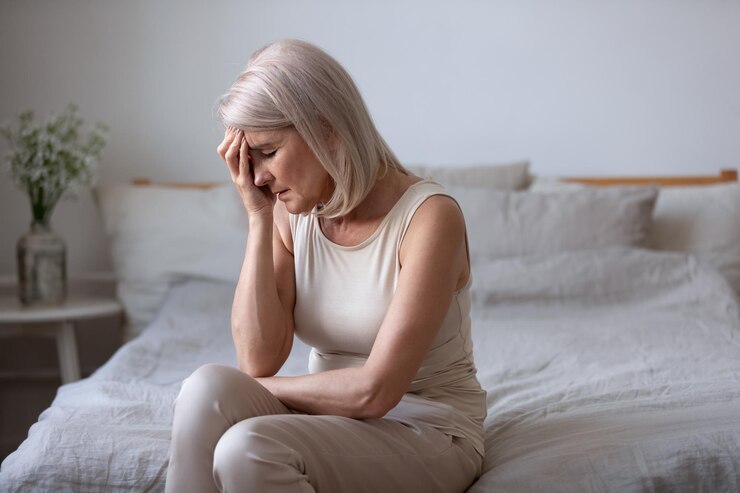
Menopause can have a profound impact on a woman’s emotional and mental well-being. Lower levels of estrogen and progesterone may trigger irritability, anxiety, or mood fluctuations, and some women may feel a sense of grief or loss as they transition out of their reproductive years. Focusing on emotional health is important during this stage, whether by seeking counseling, joining supportive communities, or practicing activities that reduce stress and promote relaxation, such as mindfulness, gentle exercise, or creative pursuits.
Treatment Options
Under the care of Dr. Lavanyaa, women navigating menopause have access to a wide range of treatment options designed to meet their individual needs. Hormone replacement therapy is a commonly recommended solution, helping restore the estrogen and progesterone levels that naturally decline during this phase.
Other approaches include vaginal estrogen therapy to address dryness and discomfort, as well as low-dose antidepressants that can help manage hot flashes and mood fluctuations. Dr. Lavanyaa emphasizes personalized care, guiding each patient to select the treatment plan that best aligns with her health profile and lifestyle.










 Views This Year : 743