





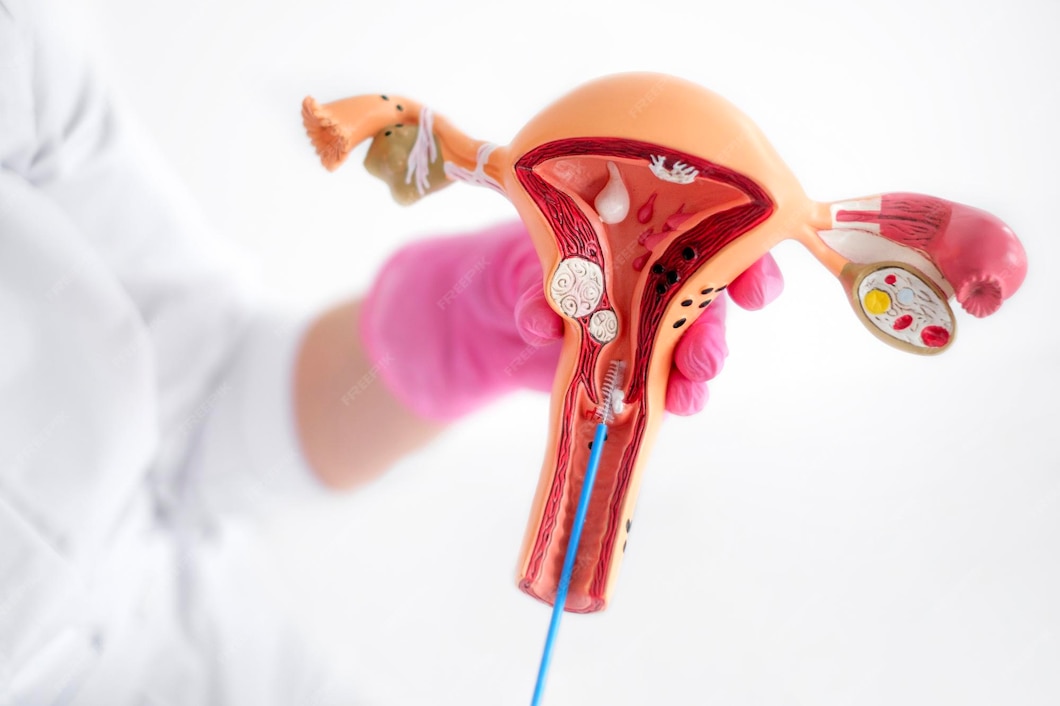

Ovarian Cyst

Ovarian Cyst Treatment in Chennai

Ovarian cysts are fluid-filled sacs that form within or on the surface of the ovaries. They are quite common, and many women may develop an ovarian cyst at some point in their lives. While most ovarian cysts are harmless and resolve on their own, some can lead to pelvic pain, discomfort, or other complications that require medical attention.

Causes of Ovarian Cysts

Ovarian cysts can form for several reasons. Some develop naturally as part of the menstrual cycle, while others are linked to hormonal or medical conditions. Common causes include:

Functional Cysts: The most frequent type of ovarian cysts, formed during ovulation. These cysts are usually harmless and often disappear on their own within a few menstrual cycles.

Endometriosis: When uterine-like tissue grows outside the uterus, it may attach to the ovaries and form cysts known as endometriomas.

Polycystic Ovary Syndrome (PCOS): A hormonal condition that leads to the formation of multiple small cysts on the ovaries, often accompanied by irregular periods and hormonal imbalance.

Pregnancy-Related Cysts: Hormonal changes during early pregnancy can cause temporary ovarian cysts, which usually resolve after childbirth

Symptoms of Ovarian Cysts

Cervical dysplasia does not typically cause any symptoms, which is why regular cervical cancer screenings are crucial.

Most ovarian cysts do not cause any symptoms and are discovered during routine pelvic exams or imaging tests. However, some cysts can cause pain, discomfort, and other symptoms. Common symptoms of ovarian cysts include:

1.Pelvic pain or pressure
2.Bloating or abdominal swelling
3.Pain during sexual intercourse
4.Irregular or changes in menstrual bleeding
5.Pain during bowel movements or urination
6.Nausea or vomiting

Treatment of Ovarian Cysts

At Dr. Lavanyaa’s Women’s Care, the approach to treating ovarian cysts is carefully personalised based on the cyst’s nature, size, and the symptoms experienced by the patient. Many ovarian cysts, especially functional cysts, resolve naturally over time and may only require regular monitoring. 

However, when a cyst leads to persistent pain, discomfort, rapid growth, or poses a risk of complications such as rupture, surgical intervention may be recommended. Depending on the clinical assessment, one of two surgical treatment options may be advised to ensure the best possible outcome for the patient.

Cystectomy

Cystectomy is a surgical procedure in which only the ovarian cyst is removed while preserving the healthy ovarian tissue. This option is commonly recommended for smaller cysts or non-cancerous growths, especially in women who wish to maintain hormonal balance or future fertility.

Oophorectomy

Oophorectomy involves the surgical removal of the entire ovary. This procedure is generally advised for larger cysts, recurrent cysts, or when there is a suspicion of malignancy. The decision is made carefully, prioritising the patient’s overall health and long-term well-being.


In some cases, hormonal birth control may be prescribed to help prevent the formation of new cysts. Women with PCOS may also be prescribed medication to regulate their menstrual cycle and control their symptoms.

Book an Appointment